
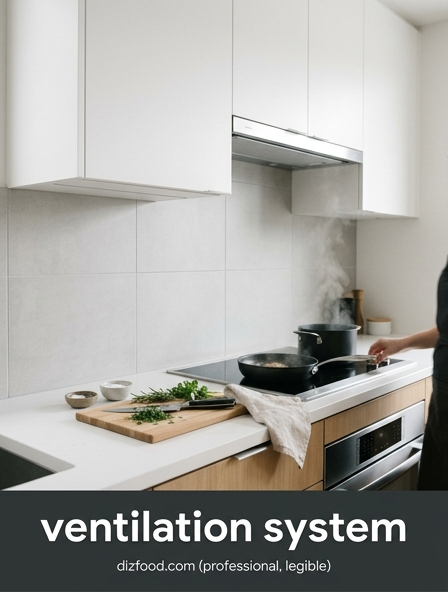
Regular Grease Filter Degreasing
Maintaining the grease filters in a kitchen ventilation system is the primary defense against airborne contaminants and sticky residue accumulation. Standard aluminum mesh filters are designed to capture vaporized fat before it enters the ductwork, but their efficiency drops significantly as the pores become clogged. A routine degreasing schedule ensures that the motor does not have to work overtime to pull air through a restricted medium, thereby extending the lifespan of the entire unit and reducing energy consumption.
- Frequency: Clean residential filters at least once a month; bi-weekly for heavy frying.
- Method: Use a combination of boiling water, baking soda, and a heavy-duty degreasing dish soap.
- Drying: Always ensure filters are completely dry before re-installation to prevent moisture from entering the motor housing.
- Inspection: Check for warping or holes in the mesh which indicate the need for a total replacement.
Neglecting this task leads to "grease rain," where accumulated oils liquify due to heat and drip back onto the cooking surface. By establishing a consistent cleaning habit, homeowners can maintain high air quality and prevent the unpleasant odors associated with rancid grease buildup within the hood assembly.
Optimal Vent Hood Height
The distance between the cooking surface and the bottom of the ventilation hood is a critical factor in "capture efficiency." If the hood is mounted too high, cooking vapors will disperse into the kitchen before they can be vacuumed into the system. Conversely, mounting the hood too low creates a significant fire hazard and may obstruct the cook's line of sight or physical movement. The ideal height varies depending on the heat output of the appliance and the specific design of the ventilation unit.
| Appliance Type | Recommended Height Range | Reasoning |
|---|---|---|
| Electric/Induction | 24 - 30 Inches | Lower ambient heat allows for closer proximity. |
| Standard Gas Range | 30 - 36 Inches | Requires clearance for open flames and higher BTU output. |
| Outdoor Grills | 36 - 42 Inches | High smoke volume requires a larger capture zone. |
Professional installers must also account for the hood's depth. A hood should ideally cover the entire width of the range and at least half of the front burners to ensure that the natural plume of thermal expansion is fully contained. Proper alignment prevents the accumulation of grease on surrounding cabinetry and ceilings.
Professional Ductwork Inspection
While surface cleaning is manageable for most users, the internal ductwork requires professional attention to ensure long-term safety and performance. Over years of operation, fine grease particles bypass filters and settle on the inner walls of the ducts. This creates a highly flammable lining that can ignite if a flash fire occurs on the stove. A professional inspection involves using specialized cameras and tools to assess the structural integrity of the conduits and the volume of combustible residue present within the hidden sections of the home.
Technicians look for signs of mechanical fatigue, such as loose joints or leaking seams, which can allow moist air to escape into wall cavities, potentially causing mold growth or structural rot. They also verify that the ducting follows the shortest, straightest path to the exterior, as excessive bends significantly reduce airflow velocity. For most residential kitchens, a professional deep-clean and inspection of the duct system should be performed every three to five years. In high-volume environments or homes where wok cooking and deep-frying are common, this interval should be shortened to maintain a safe and odor-free living environment.
Baffle Filter Deep Cleaning
Baffle filters are typically found in high-end residential and commercial hoods, constructed from stainless steel or heavy-duty aluminum. Unlike mesh filters that trap grease within a web, baffle filters use a series of interlocking vanes to force air into a rapid change of direction. This causes the heavier grease droplets to lose momentum and stick to the metal surfaces, eventually draining into a collection trough. Because of their robust construction, these filters require a different approach to deep cleaning to ensure the airflow paths remain unobstructed.
- Remove the filters and the grease collection tray carefully to avoid spills.
- Pre-soak the components in a large basin with a concentrated alkaline degreaser for 30 minutes.
- Scrub the internal channels of the baffles using a narrow soft-bristled brush to reach hidden crevices.
- Run the filters through a high-temperature dishwasher cycle if the manufacturer's instructions permit.
- Wipe down the interior tracks of the hood where the filters sit before re-inserting.
Maintaining these filters is essential for high-BTU gas ranges, as they are specifically designed to handle higher temperatures and larger volumes of effluent compared to standard mesh versions.
Fan Motor Lubrication and Care
The centrifugal fan or blower motor is the heart of the kitchen ventilation system. Modern motors are often "permanently lubricated" or sealed, but older models or high-capacity external blowers may require manual oiling to prevent friction-related failure. A motor that struggles to spin not only moves less air but also generates excessive heat, which can melt internal wiring or lead to a total motor burnout. Regular care involves more than just oil; it requires keeping the fan blades balanced and clean.
- Blade Cleaning: Heavy grease on fan blades causes imbalance, leading to vibration and bearing wear.
- Lubrication: Use only non-detergent motor oil if the manufacturer specifies oil ports are present.
- Sound Check: Grinding or humming noises usually indicate failing bearings or a foreign object in the housing.
- Electrical Inspection: Ensure the power cord and connections remain free of grease, which can degrade insulation.
A well-maintained motor should operate with a consistent hum. If the fan takes several seconds to reach full speed after being turned on, it is a sign that the lubricants have thickened or the capacitor is failing, necessitating immediate mechanical attention.
Charcoal Filter Replacement Schedule
In many urban apartments or homes where exterior venting is not feasible, recirculating hoods are utilized. These systems rely on activated charcoal filters to neutralize odors and chemically bond with volatile organic compounds (VOCs). Unlike metal grease filters, charcoal filters cannot be washed or degreased; once the carbon sites are saturated, the filter becomes inert and ineffective. Following a strict replacement schedule is the only way to ensure that "scrubbed" air returning to the kitchen is actually clean.
The standard lifespan of a charcoal filter is between three and six months, depending on cooking frequency. Signs that a replacement is overdue include persistent cooking smells that linger for hours after a meal or a visible darkening/heavy coating of dust on the filter surface. Some modern hoods include an electronic indicator light that tracks motor run-time to alert the user when a swap is necessary. It is crucial to use the specific filter model designed for the hood unit, as gaps around a poorly fitting filter allow unfiltered air to bypass the carbon media entirely. Proper disposal of used filters is also recommended, as they contain concentrated amounts of captured cooking pollutants.
Fire Hazard Prevention Strategies
The kitchen ventilation system is a primary factor in both preventing and potentially spreading a house fire. Grease is highly combustible, and a hood coated in oil acts as a fuse that can carry flames from the stovetop into the attic or wall voids. Implementing active prevention strategies is essential for any household. This begins with "clean-as-you-go" habits, ensuring that no visible grease remains on the underside of the hood or the light covers after a session of high-heat cooking.
- Keep a Class B fire extinguisher within reach of the kitchen at all times.
- Never leave the fan running at high speeds unattended if there is an open flame.
- Regularly wipe down the "grease trap" areas where oil pools near the filter edges.
- Ensure the thermal cut-off switch, if equipped, is functional to shut down the fan during a fire.
Furthermore, one should never attempt to "burn off" grease by turning the fan to high when a small pan fire occurs, as the increased oxygen flow will only intensify the flames. Instead, turn off the fan immediately to stop the draft and cover the pan with a lid or fire blanket.
Improving Kitchen Airflow Dynamics
Efficient ventilation is not just about the power of the fan; it is about the movement of air throughout the entire room. For a vent hood to exhaust air effectively, an equal amount of "make-up air" must enter the kitchen. In modern, airtight homes, a powerful range hood can create a vacuum effect, known as negative pressure. This can lead to back-drafting, where dangerous gases like carbon monoxide are pulled down the chimney from water heaters or fireplaces and into the living space.
To optimize airflow, it is often helpful to crack a window in a nearby room-not the kitchen itself. Opening a window directly next to the stove can create cross-breezes that blow the smoke away from the hood's capture zone. The goal is to create a laminar flow where air moves steadily toward the hood. Avoiding the use of oscillating pedestal fans while the vent is active can also help, as turbulent air makes it harder for the hood to "grab" the rising thermal plume. Understanding these dynamics ensures that the ventilation system operates at peak efficiency without compromising the home's overall pressure balance or air quality.
Exhaust Fan Speed Optimization
Many users make the mistake of only turning on their ventilation hood once the kitchen is already filled with smoke. For optimal performance, the fan should be activated on a low setting roughly five minutes before cooking begins. This establishes a steady upward current of air, preparing the "path of least resistance" for the vapors that will follow. Choosing the correct speed for the task at hand also balances noise levels with utility.
- Low Speed: Ideal for simmering, boiling water, or light steaming to manage humidity.
- Medium Speed: Suitable for standard sautéing and frying where moderate steam and odors are produced.
- High/Boost Speed: Reserved for searing meats, wok cooking, or when a pan accidentally begins to smoke.
Running the fan for ten minutes after cooking is finished is equally important, as it clears the residual microscopic particles that settle on furniture and fabrics. Using the lowest effective speed reduces the "noise fatigue" in the kitchen and minimizes the amount of conditioned air (heated or cooled) being pumped out of the house unnecessarily, leading to better energy management.
Exterior Vent Outlet Maintenance
The point where the ventilation duct exits the home is often the most neglected part of the system. Whether it is a wall cap or a roof jack, this outlet is exposed to the elements and can become a point of failure. A common issue is the accumulation of lint or hardened grease that prevents the backdraft damper from opening fully. If the damper is stuck shut, the fan will spin but no air will be exhausted; if it is stuck open, cold air, pests, and humidity can enter the home's ductwork.
| Component | Common Issue | Maintenance Action |
|---|---|---|
| Backdraft Damper | Stuck due to grease | Clean hinges and check for free movement. |
| Bird Screen | Clogged with debris | Brush off dust and remove nesting materials. |
| Sealant/Caulking | Cracking or peeling | Re-apply exterior grade silicone to prevent leaks. |
Annual inspections are recommended to ensure that birds or insects haven't nested inside the vent. A clear, unobstructed path to the outdoors is the final requirement for a high-performing and safe kitchen ventilation system.






Comments