

The Chemistry of Coffee Lipids
Coffee lipids represent a significant fraction of the coffee bean's composition, accounting for approximately 15% of the dry weight in Arabica beans and about 10% in Robusta. These oily substances are primarily stored within the endosperm, serving as an energy reservoir for the germinating seed. Chemically, the lipid fraction is dominated by triacylglycerols, which constitute nearly 75% of the total oil content. However, the most distinctive components are the coffee-specific diterpenes, primarily cafestol and kahweol, which are esterified with fatty acids.
- Triacylglycerols: Provide the structural base and serve as a solvent for flavor compounds.
- Diterpenes: Known for their biological activity and influence on the brewing process.
- Sterols: Minor components like stigmasterol and sitosterol that contribute to chemical stability.
- Tocopherols: Natural antioxidants that help prevent the oxidation of coffee oils during storage.
Understanding this chemistry is vital because these lipids are not just passive fats; they interact with water-soluble compounds during extraction, dictating the overall quality and nutritional profile of the beverage. The ratio of these components varies significantly based on the bean's origin and variety.
Enhancing Mouthfeel and Viscosity
The tactile experience of drinking coffee, often referred to as "body," is profoundly influenced by the presence of lipids. These oils act as a lubricant on the tongue, creating a smooth, velvety sensation that persists throughout the sip. Unlike water-soluble solids that contribute to the flavor strength, lipids provide the physical weight and thickness associated with premium brews. When lipids are emulsified into the liquid, they increase the overall viscosity, transforming a thin, tea-like infusion into a rich, substantial beverage.
- Emulsification: Small oil droplets become suspended in the water, creating a dense colloidal system.
- Surface Tension: Lipids lower the surface tension of the coffee, allowing it to coat the oral cavity more effectively.
- Viscosity Boost: The physical presence of oil droplets resists flow, which the palate perceives as "heaviness."
This enhancement of mouthfeel is particularly evident in brewing methods that do not utilize fine paper filtration. In such cases, the unfiltered oils remain in the cup, providing a creamy texture that many connoisseurs prefer over the "clean" but thinner profile of filtered drip coffee.
Lipid Impact on Flavor Perception
Lipids play a dual role in flavor perception by acting as carriers for hydrophobic aromatic compounds and by modulating the intensity of specific tastes. Many of the most desirable flavor molecules in coffee are fat-soluble; therefore, the presence of oils ensures these compounds are delivered effectively to the sensory receptors. Additionally, lipids have the unique ability to suppress the perception of bitterness by coating the taste buds, creating a barrier that prevents bitter alkaloids from making full contact with the tongue.
| Flavor Interaction | Effect of Lipids |
|---|---|
| Bitterness | Masks harsh notes by coating receptors. |
| Sweetness | Enhances the perception of richness and roundness. |
| Aromatic Delivery | Transports volatile organic compounds to the palate. |
Without lipids, coffee can taste sharp and unidimensional. The oils provide a "buffer" that rounds out the flavor profile, allowing subtle nuances of chocolate, nuts, and spice to emerge more clearly. This interaction is a cornerstone of sensory science, where the fat content dictates how long and how intensely we experience the flavor.
Role of Lipids in Espresso Crema
The crema, that iconic golden-brown foam atop a well-pulled espresso, is a complex masterpiece of lipid chemistry. Crema is essentially a liquid-film-stabilized foam where CO2 bubbles are trapped within a matrix of emulsified oils and microscopic coffee solids. Lipids are indispensable for this structure because they act as surfactants, stabilizing the interface between the air bubbles and the surrounding liquid. Without a sufficient concentration of oils, the crema would be thin, unstable, and would dissipate almost immediately after extraction.
- Stabilization: Oils prevent the gas bubbles from coalescing and popping.
- Coloration: The emulsion of oils and melanoidins creates the characteristic tiger-striping.
- Texture: Provides the "creaminess" that distinguishes espresso from other brewing methods.
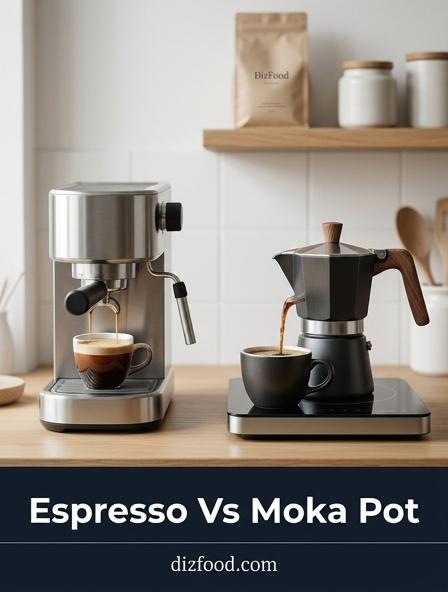
In espresso, the high pressure of the machine forces oils out of the coffee grounds at a rate far higher than gravity-fed methods. This creates a high-density emulsion where lipids are the primary structural component, preserving the volatile gases that carry the coffee's most intense aromas. The quality of the crema is often used as a visual indicator of the lipid content and freshness of the beans.
Filtration Methods and Oil Retention
The choice of brewing equipment significantly dictates the final lipid content of the coffee. Paper filters are highly effective at trapping oils and diterpenes, leading to a beverage that is chemically "cleaner" but physically thinner. Conversely, metal and cloth filters allow much larger quantities of lipids to pass into the final cup. This distinction is not merely a matter of texture but also has health implications, as paper filters remove substances like cafestol, which are known to influence cholesterol levels in some individuals.
| Method | Lipid Retention | Resulting Body |
|---|---|---|
| Paper Filter | Low (90% removed) | Light and Clean |
| Metal Mesh | High | Heavy and Oily |
| French Press | Very High | Rich and Viscous |
In a kitchen setting, selecting a filtration method is the most direct way to control the oily lipids in the brew. For those seeking the full spectrum of coffee oils, a French press or a percolator is ideal. For those preferring a bright, crisp cup with minimal oil interference, the V60 or Chemex with high-quality paper filters is the preferred choice.
Aroma Preservation Through Coffee Oils
The volatile organic compounds (VOCs) responsible for coffee's enticing aroma are highly evanescent and prone to rapid evaporation. Lipids serve as a protective "trap" for these molecules. Because many of these aromatic compounds are non-polar, they dissolve more readily in oils than in water. Once dissolved, the oils act as a stabilizer, slowing down the release of these scents so that they reach the nose progressively rather than all at once. This results in a more layered and complex olfactory experience that lasts throughout the duration of the drink.
- Solubility: Lipids dissolve volatile esters and aldehydes that water cannot hold.
- Vapor Pressure: Oils lower the vapor pressure of aromatic compounds, preventing them from escaping the cup.
- Retronasal Aroma: As the coffee is swallowed, the oils coating the throat release aromas back into the nasal cavity.
This is why a cup of coffee with a visible oil sheen often smells more intense and "rounded." The oils ensure that the aromatic profile is not just a fleeting moment but a sustained experience that evolves as the beverage cools and the lipids change state.
Dark Roasts and Surface Lipid Oxidation
As coffee beans are roasted darker, their physical structure becomes increasingly porous and brittle. This process causes the internal lipids to migrate from the center of the bean to the surface. This is why dark-roasted beans often appear shiny or oily to the touch. While visually appealing to some, these surface oils are highly vulnerable to the environment. Exposure to oxygen, light, and heat leads to rapid lipid oxidation, which results in the development of rancid, "fishy," or stale flavors that can ruin the cup.
- Migration: Heat-induced cellular breakdown forces oils through the bean's pores.
- Oxidation: Atmospheric oxygen reacts with unsaturated fatty acids to produce peroxides.
- Degradation: Further breakdown leads to short-chain fatty acids that smell unpleasantly pungent.
Managing surface lipids is a critical part of kitchen storage. Darker roasts must be kept in airtight, opaque containers to slow down the inevitable rancidity. Because the oils are already on the exterior, the surface area for chemical reactions is vastly increased compared to light-roasted beans where the oils remain protected deep within the cellular matrix.
Lipids and Aftertaste Longevity
The "finish" or aftertaste of a coffee is perhaps the most lasting impression a brew leaves on the palate. This longevity is almost entirely dependent on the lipid fraction. After the liquid has been swallowed, a thin film of oil remains coated on the tongue and the walls of the mouth. This film continues to release flavor and aroma compounds long after the cup is empty. In professional coffee cupping, the quality of this aftertaste-whether it is clean, sweet, or lingering-is a primary metric for scoring.
- Persistence: Oils provide a "slow-release" mechanism for flavor.
- Coating: The film prevents the palate from drying out, maintaining a sense of sweetness.
- Complexity: The lingering oils undergo minor changes as they interact with saliva, often revealing hidden notes.
Methods like the French press or espresso are celebrated for their long aftertaste because of their high lipid content. Conversely, paper-filtered coffees tend to have a shorter finish because there are fewer oils to sustain the sensory experience. For a kitchen enthusiast, understanding lipids is the key to achieving that desirable, long-lasting flavor profile.
The Interaction of Oils and Acidity
The relationship between lipids and acidity is one of balance and contrast. In the world of specialty coffee, high acidity is often prized for its brightness and "sparkle," but without lipids, this acidity can feel sharp, aggressive, or even sour. Lipids provide a structural counterbalance. They soften the perception of organic acids (such as citric or malic acid) by adding a creamy texture that rounds off the "edges" of the flavor. This interaction creates a harmonious cup where the acidity feels integrated rather than detached.
| Element | Sensory Role | Interaction Effect |
|---|---|---|
| Acidity | Brightness, Sparkle | Provides "vertical" flavor notes. |
| Lipids | Body, Creaminess | Provides "horizontal" flavor support. |
| Combined | Balance | Results in a complex, "juicy" mouthfeel. |
When brewing high-altitude, high-acidity beans, allowing some oils to remain in the brew can be beneficial. The lipids act as a "flavor stage," allowing the bright acidic notes to shine without overwhelming the palate. This balance is particularly important in light roasts, where the natural acidity of the bean is most prominent.
Brewing Variables Affecting Lipid Content
Beyond filtration, several brewing variables dictate how much oil ends up in the coffee mug. Temperature, pressure, and grind size are the primary levers a cook can pull. Higher water temperatures increase the solubility and fluidity of the oils, making them easier to wash away from the coffee grounds. Pressure, most notably in espresso machines, mechanically forces the lipids out of the cellular structure of the coffee. Finally, a finer grind size increases the surface area, allowing more oils to be exposed to the brewing water.
- Temperature: Water above 95°C (203°F) extracts more diterpenes and triglycerides.
- Pressure: Essential for emulsifying oils into a stable crema.
- Grind Size: Fine grinds rupture more oil-containing cells, facilitating extraction.
By adjusting these variables, one can customize the lipid profile of the beverage. For example, if a coffee feels too thin, increasing the temperature or moving to a slightly finer grind with a metal filter will boost the oil content. Conversely, if the oils are masking too much of the delicate acidity, lowering the temperature or using a paper filter can provide a cleaner, more focused flavor profile.




Comments