
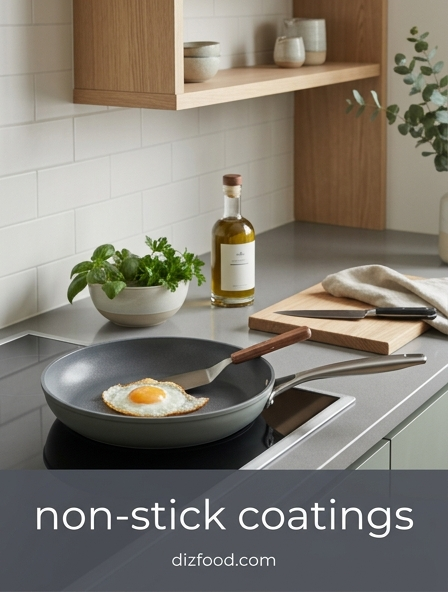
Wait for Cookware to Cool Completely
One of the most critical steps in maintaining the integrity of non-stick coatings is allowing the cookware to return to room temperature naturally before it makes contact with water. Subjecting a hot pan to cold or even lukewarm water triggers a phenomenon known as thermal shock. Because non-stick coatings and the underlying metal base-usually aluminum or stainless steel-expand and contract at different rates, sudden temperature shifts can cause the bond between them to weaken. Over time, this leads to warping of the pan's base and the eventual peeling or cracking of the non-stick surface.
To ensure the longevity of your kitchen tools, consider the following timeline after cooking:
- Remove the pan from the heat source and place it on a heat-resistant surface.
- Allow at least 10 to 15 minutes for the internal temperature to stabilize.
- Touch the handle or outer rim safely to confirm it is no longer radiating intense heat.
- Begin the cleaning process only once the surface is cool to the touch.
By practicing patience, you prevent the structural deformation that renders non-stick surfaces ineffective and dangerous for food preparation.
Prioritize Hand Washing Over Dishwashers
While many modern manufacturers label their non-stick products as "dishwasher safe," relying on automated cleaning cycles significantly shortens the lifespan of the coating. Dishwashers utilize a combination of extremely high water temperatures, prolonged heat drying cycles, and aggressive detergents. These detergents often contain abrasive particles and high pH levels that chemically strip the non-stick properties from the pan. Furthermore, the mechanical action of the dishwasher can cause pans to knock against other dishes, leading to chips in the protective layer.
| Feature | Dishwasher Impact | Hand Wash Benefit |
|---|---|---|
| Temperature | Extreme heat weakens bonds | Controlled warmth preserves surface |
| Detergent | Corrosive chemicals | Mild surfactants protect coating |
| Agitation | High risk of physical chips | Gentle handling prevents damage |
Hand washing allows for a targeted approach, ensuring that carbonized fats are removed without the collateral damage caused by the harsh environment of a dishwasher's interior chamber.
Select Soft Sponges and Non-Abrasive Tools
The delicate nature of non-stick coatings, whether they are PTFE-based or ceramic, requires a gentle touch during the cleaning process. Using the wrong tool can create microscopic scratches that, while invisible at first, eventually allow food particles to "grip" the surface, destroying the non-stick functionality. You should exclusively use cleaning implements that are specifically designed for sensitive surfaces. Soft cellulose sponges, microfiber cloths, and nylon-bristled brushes are the ideal choices for daily maintenance.
When selecting your cleaning kit, avoid the following items:
- The "scouring" side of heavy-duty green sponges.
- Plastic mesh pads that feel overly rigid.
- Stiff natural fiber brushes that lack flexibility.
Using a soft sponge ensures that you are removing grease and food debris through light friction rather than aggressive scraping. If the pan was used correctly with proper fats, a simple swipe with a soft cloth and soapy water should be sufficient to restore the surface to its original state without compromising its structural integrity.
Use Gentle Liquid Dish Soaps Only
The chemical composition of your cleaning agent plays a vital role in the health of non-stick cookware. Many heavy-duty degreasers or powdered cleansers are formulated with citrus acids, bleach, or oxygen-based bleaching agents that can react negatively with the non-stick polymer. These substances can cause the coating to become brittle or lose its slickness. Instead, opt for mild, pH-neutral liquid dish soaps. These formulas are designed to encapsulate oils and lift them away from the surface without interacting with the non-stick layer itself.
To maximize the effectiveness of gentle soap, follow these steps:
- Apply a small drop of liquid soap directly to a wet, soft sponge.
- Work the soap into a rich lather before applying it to the pan.
- Gently massage the surface in a circular motion to lift oils.
- Rinse thoroughly with warm water to ensure no soapy film remains.
Consistency is key; by using a mild soap every time, you avoid the buildup of "invisible" grease layers that can polymerize and become impossible to remove without damaging the pan later on.
Remove Stubborn Residue with Baking Soda
Occasionally, despite your best efforts, a thin layer of burnt-on oil or food residue may remain on the pan. When standard soap fails, do not reach for a knife or a scraper. Instead, utilize the gentle abrasive power of baking soda. Baking soda is effective because it is slightly alkaline, which helps break down acidic food bonds, and its crystalline structure provides just enough friction to lift residue without being hard enough to scratch the non-stick coating.
To perform a deep clean using this method, follow this procedure:
- Create a thick paste by mixing three parts baking soda with one part water.
- Apply the paste generously over the problem areas of the cooled pan.
- Let the mixture sit for 15 to 20 minutes to penetrate the residue.
- Gently scrub with a soft sponge and rinse with warm water.
This natural approach is far safer than using industrial cleaners and effectively restores the smoothness of the pan, ensuring that the "non-stick" promise is maintained for your next meal.
Avoid Harsh Chemical Abrasives
Non-stick surfaces are highly susceptible to chemical degradation. Many common household cleaners, such as oven sprays, tub-and-tile cleaners, or concentrated bleach, contain caustic ingredients that can instantly dissolve the specialized resins used in non-stick coatings. Even some "all-purpose" kitchen sprays contain solvents that are too aggressive for PTFE or ceramic finishes. These chemicals can cause the coating to flake, change color, or release unpleasant fumes the next time the pan is heated.
Keep these high-risk chemicals away from your cookware:
- Chlorine-based bleaches and sanitizers.
- Ammonia-based window or surface cleaners.
- Abrasive cream cleansers containing silica or feldspar.
- Oven cleaners designed to dissolve carbonized fat.
Protecting your health and your investment means strictly limiting the chemicals that touch your food-contact surfaces. Sticking to mild detergents ensures that no toxic residues are absorbed or left behind, maintaining the safety and performance of the pan throughout its intended lifespan in your kitchen.
Skip Metal Scouring Pads and Brushes
The most immediate way to ruin a non-stick pan is through the use of metal cleaning tools. Steel wool, copper scrubbers, and stainless steel chainmail are designed for cast iron or uncoated stainless steel, where they can scrape away carbon. On a non-stick surface, however, these materials act like sandpaper, gouging deep trenches into the coating. Once the surface is scratched, the non-stick properties are permanently compromised, and the underlying metal-which may not be food-safe when exposed-becomes vulnerable to corrosion.
| Tool Type | Effect on Coating | Recommended Action |
|---|---|---|
| Steel Wool | Destructive scratching | Strictly Avoid |
| Copper Pads | Abrasive peeling | Strictly Avoid |
| Nylon Scrubber | Safe friction | Highly Recommended |
If you find that food is sticking so badly that you feel the need for metal tools, it is a sign that the pan has either reached the end of its life or needs a deep soak in warm, soapy water to loosen the debris naturally.
Dry Surfaces Immediately to Prevent Spotting
Allowing non-stick cookware to air dry may seem convenient, but it can lead to the accumulation of mineral deposits, especially in areas with hard water. As water evaporates, it leaves behind calcium and magnesium, which create white cloudy spots on the surface. These deposits can interfere with the pan's non-stick performance over time. Furthermore, if the pan has any exposed metal at the rivets or the rim, leaving it wet can encourage oxidation and weaken the structural components of the handle and base.
To maintain a pristine finish, follow these drying tips:
- Use a clean, lint-free cotton towel or a soft microfiber cloth.
- Wipe the interior and exterior surfaces immediately after rinsing.
- Ensure the area where the handle attaches to the pan is completely dry.
- Avoid stacking the pans until all residual moisture has been removed.
Immediate drying not only prevents spotting but also ensures that the cookware is ready for safe storage, reducing the risk of mold or odors developing in dark kitchen cabinets.
Use Protective Liners for Safe Stacking
Storage is an often-overlooked aspect of non-stick maintenance. Most kitchen cabinets have limited space, leading many home cooks to stack their pans inside one another. The hard bottom of one pan can easily scratch the delicate interior coating of the pan beneath it. These "storage scratches" are a leading cause of premature coating failure. To prevent this, you should always place a physical barrier between stacked items to absorb friction and distribute weight evenly.
Consider using these materials as protective liners:
- Specialized felt or silicone pan protectors.
- Soft paper towels folded into squares.
- Thin cork mats or non-slip drawer liners.
- Traditional cloth dish towels.
By implementing a liner system, you transform a high-friction environment into a safe storage zone. This simple habit preserves the smooth finish of your cookware, ensuring that the pans remain as effective as the day you purchased them, regardless of how many items are stored in your pantry or cupboards.
Season the Coating Periodically for Protection
While seasoning is a term most commonly associated with cast iron, a similar process can benefit non-stick coatings, particularly after deep cleaning or if the pan feels slightly less "slick" than usual. Periodic seasoning fills the microscopic pores of the coating with a thin layer of oil, providing an extra barrier against sticking and protecting the surface from oxidation. This is especially helpful for ceramic-coated pans which can lose their release properties over several months of use.
To season your non-stick pan, follow this simple routine:
- Clean and dry the pan thoroughly.
- Rub a half-teaspoon of neutral vegetable oil (like canola or grapeseed) onto the surface.
- Heat the pan over low heat for one to two minutes.
- Allow the pan to cool, then wipe away any excess oil with a clean paper towel.
Repeating this process every few months, or after using baking soda for cleaning, helps maintain the hydrophobic properties of the coating. This proactive maintenance ensures a consistent cooking experience and extends the functional life of your kitchen essentials.

Comments